Publishing a book is an exciting milestone for any writer. However, many first-time authors quickly realize that writing the manuscript is only the beginning of the journey. The complete book publishing process includes editing, formatting, cover design, distribution, marketing, and long-term brand building.
Whether you plan to self-publish or work with a professional publishing company, understanding how publishing works can help you avoid costly mistakes and improve your chances of success.
Professional publishing services can simplify the process and help authors transform their manuscripts into polished, market-ready books. Companies like Oakmont Publications provide publishing support designed to help authors navigate every stage of the publishing journey.
What Is the Book Publishing Process?
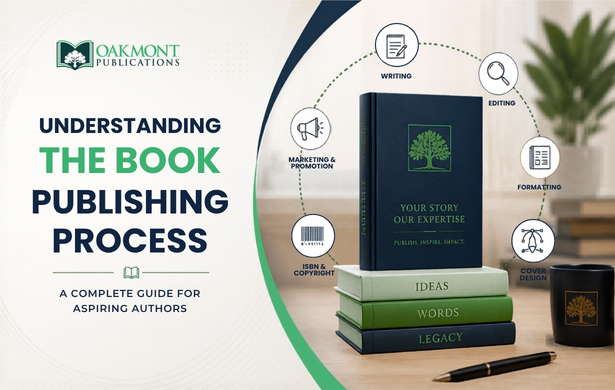
The book publishing process refers to the steps required to turn a completed manuscript into a professionally published book available for readers worldwide. This process involves much more than simply uploading a document online.
Modern publishing includes:
- Manuscript editing
- Book formatting
- Cover design
- ISBN registration
- Printing and distribution
- Ebook conversion
- Audiobook production
- Book marketing and promotion
Each stage contributes to the overall quality and marketability of the book.
Step 1: Writing and Completing the Manuscript
Every successful book begins with a strong manuscript. Before entering the publishing stage, authors should ensure their content is complete, organized, and aligned with their target audience.
Writers often spend months or even years developing their ideas, researching content, and refining their chapters. During this stage, authors should focus on:
- Clear structure and flow
- Consistent tone and voice
- Strong grammar and readability
- Audience engagement
- Originality and value
A professionally written manuscript creates the foundation for successful publishing.
Step 2: Professional Book Editing
Editing is one of the most important parts of the publishing process. Even experienced writers need professional editing to improve clarity, remove errors, and strengthen the overall reading experience.
There are several types of editing commonly used in book publishing:
Developmental Editing
This focuses on structure, storytelling, pacing, and content organization.
Copy Editing
Copy editing corrects grammar, punctuation, sentence structure, and consistency.
Proofreading
Proofreading is the final quality check before publication to catch remaining errors.
Professional editing improves credibility and helps books meet industry standards. Readers are far more likely to trust and recommend books that are professionally edited.
Step 3: Book Formatting and Interior Design
Formatting prepares the manuscript for publishing platforms and print production. Proper formatting ensures the book looks clean, readable, and professional across all devices and formats.
Book formatting includes:
- Chapter styling
- Font selection
- Margin spacing
- Paragraph alignment
- Page numbering
- Table of contents setup
- Ebook responsiveness
Poor formatting can negatively affect the reader experience and reduce sales potential. Professionally formatted books appear more polished and trustworthy.
Step 4: Designing a Professional Book Cover
Book cover design plays a major role in attracting readers. In many cases, the cover is the first thing potential buyers notice online.
An effective book cover should:
- Match the book genre
- Include professional typography
- Use high-quality visuals
- Create emotional appeal
- Stand out in search results
A professionally designed cover can significantly improve click-through rates and book sales. Authors who invest in quality cover design often achieve better visibility on online marketplaces.
Step 5: ISBN Registration and Copyright Protection
An ISBN (International Standard Book Number) helps identify and distribute books globally. ISBNs are used by retailers, bookstores, distributors, and libraries.
Copyright protection is also essential because it establishes ownership of the work and helps protect intellectual property rights.
Professional publishing companies often assist authors with:
- ISBN registration
- Barcode generation
- Copyright guidance
- Metadata optimization
These details help books appear more legitimate and searchable across publishing platforms.
Step 6: Publishing on Major Platforms
Today, authors have access to multiple publishing platforms that allow global distribution for ebooks, paperbacks, and audiobooks.
Popular publishing platforms include:
- Amazon Kindle Direct Publishing (KDP)
- Apple Books
- Barnes & Noble Press
- Kobo
- Google Play Books
Self-publishing has become increasingly popular because it gives authors greater creative control and faster publishing timelines.
Professional publishing assistance can help authors optimize their listings, categories, keywords, and metadata for better visibility.
Step 7: Ebook and Audiobook Publishing
Digital publishing continues to grow rapidly as more readers consume content through mobile devices and audio platforms.
Ebook Publishing
Ebooks provide instant global access and lower production costs. Proper ebook formatting ensures compatibility with Kindle, tablets, and smartphones.
Audiobook Publishing
Audiobooks have become one of the fastest-growing segments in publishing. Many readers now prefer listening to books during travel, work, or exercise.
Offering multiple formats allows authors to reach a broader audience and increase revenue opportunities.
Step 8: Book Printing and Distribution
For physical books, printing quality is extremely important. Print-on-demand technology allows authors to produce books only when orders are placed, reducing inventory costs.
Distribution services help books reach:
- Online retailers
- Bookstores
- Libraries
- International markets
Wide distribution improves accessibility and increases opportunities for book discovery.
Step 9: Book Marketing and Promotion
Publishing a book is only part of the journey. Marketing is essential for generating visibility, attracting readers, and increasing sales.
Successful book marketing strategies include:
- Social media promotion
- Author branding
- Search engine optimization (SEO)
- Book launch campaigns
- Email marketing
- Influencer outreach
- Paid advertising
- Press releases
Many authors underestimate the importance of marketing, but promotion often determines whether a book succeeds commercially.
Professional marketing support can help authors reach targeted audiences more effectively.
Common Mistakes New Authors Should Avoid
First-time authors often make avoidable publishing mistakes, including:
- Skipping professional editing
- Using low-quality cover designs
- Ignoring book marketing
- Publishing without keyword optimization
- Choosing incorrect book categories
- Neglecting audience research
Understanding the publishing process helps authors avoid these problems and produce higher-quality books.
Why Professional Publishing Support Matters
Publishing a book involves many technical and creative elements. Working with experienced publishing professionals can simplify the process and improve overall results.
Professional publishing services often help with:
- Editing and proofreading
- Cover design
- Formatting
- Publishing setup
- Marketing strategies
- Distribution support
This guidance can save authors time while improving the professionalism of the final product.
Final Thoughts
The book publishing process involves much more than simply writing a manuscript. From editing and formatting to distribution and marketing, every stage contributes to a book’s success.
Authors who understand the publishing journey are better prepared to make informed decisions, avoid common mistakes, and reach more readers.
Whether you are publishing your first book or expanding your author career, investing in professional publishing support can help turn your ideas into a polished and marketable publication.